THANK YOU FOR SUBSCRIBING

Hrtech Outlook Weekly Brief
Be first to read the latest tech news, Industry Leader's Insights, and CIO interviews of medium and large enterprises exclusively from Hrtech Outlook
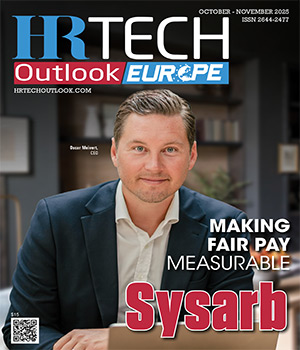
Sysarb began in 2005 with a bold idea. If fairness in the workplace was going to be more than a promise, companies needed real tools to measure it and make it happen. Almost twenty years later, that idea has evolved into a platform that supports more than 600 organisations in 60 countries, enabling them to turn pay equity into an everyday practice. What started as a consultancy focused on closing pay gaps has evolved into a trusted partner for leaders who want pay equity to shape their culture, not just satisfy compliance. Many organisations have struggled to manage pay transparency and compliance in a fragmented manner, relying on spreadsheets, manual reporting, and disconnected systems. Sysarb has helped these companies gain clear insight into disparities, understand the drivers behind them, and take meaningful steps toward building a fairer workplace, all through an all-in-one platform. It streamlines processes, ensures regulatory alignment, and supports companies through every stage of their pay equity journey. “Our clients value Sysarb because we turn complex pay equity challenges into clear, actionable outcomes,” says Oscar Meivert, CEO.

Olga Kravchenko, Group HR COO, AXA

Kate Hipperson Greene, People & Culture Director, AEG Europe

Massimo Bottacin, Chief People Officer, Bauli Group

Jerry Pico, Global Advisory Expert, Daiichi Sankyo

Herman Rolfers, Director of Global Digital HR Transformation, The HEINEKEN Company

David Girardeau, Chief People & Culture Officer Ferroglobe PLC (NASDAQ: GSM)

Daniel Puga, Human Resources, Director, Nobel Biocare
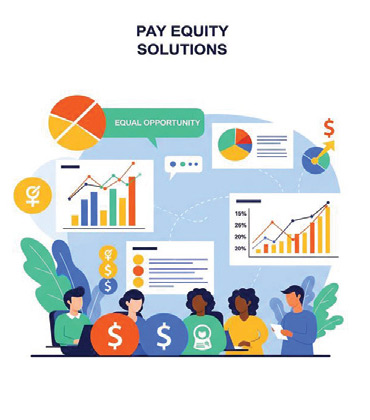
Pay equity solutions ensure fair compensation across roles and demographics, helping European businesses comply with evolving laws, retain talent, and promote inclusive, transparent workplace cultures.
European HR and payroll software integrates automation, compliance, and analytics to enhance efficiency, transparency, and employee engagement across diverse organisations.
Fairness by Design: The Future of Pay Equity in Europe
The traditional methods: manual audits, fragmented reporting and spreadsheet-driven analysis, are proving insufficient for today’s complex, global workforces. Modern enterprises need systems that can interpret variables such as role, geography, performance, and tenure, translating data into insights leaders can act on. Advanced analytics and AI are now being deployed to identify disparities, predict risk areas and recommend interventions before inequities take root.
Beyond compliance, the new era of pay equity is about culture. Organisations are learning that trust grows when transparency becomes embedded in daily operations. This means not only ensuring fair pay but also communicating the “why” behind decisions, giving employees visibility into the process and confidence in its integrity. As openness moves from an HR initiative to an organisational value, it is reshaping how teams collaborate, how leaders are held accountable, and how success is defined.
Equity today also extends across borders. With workforces spanning multiple countries, companies must navigate varied legal frameworks and cultural expectations while maintaining a unified standard of fairness. The most forward-thinking organisations are turning to integrated platforms that centralise global data while preserving the nuance of local requirements. These systems make it possible to view pay practices holistically, balancing global consistency with local precision.
As Europe’s regulatory landscape continues to evolve, businesses that treat fairness as an ongoing practice, supported by transparency, analytics and strong governance, will set the tone for the decade ahead. Pay equity is no longer just a compliance obligation, but a measure of integrity and a cornerstone of sustainable success.