THANK YOU FOR SUBSCRIBING

Hrtech Outlook Weekly Brief
Be first to read the latest tech news, Industry Leader's Insights, and CIO interviews of medium and large enterprises exclusively from Hrtech Outlook

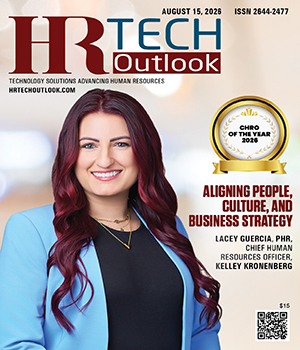
Lacey Guercia serves as CHRO at Kelley Kronenberg, where she leads Human Resources and Administration for a workforce of more than 500 employees across multiple states of which approximately 70 employees are located internationally. Throughout her career, she has focused on aligning people strategy with business objectives, helping organizations build strong cultures, develop talent, and create workplaces where employees and businesses can grow together. HR’s Real Responsibility HR occupies a unique position within every organization. We are advocates for a positive employee experience, but we also have a responsibility to support the business and its strategic objectives. Throughout my career, I have learned that success comes from balancing those priorities rather than viewing them as competing interests. Ultimately, our role is to help employees and businesses succeed together. This evolution is also reflected in how the function itself is viewed. Traditionally, organizations centered the role around the Chief Human Resources Officer (CHRO), emphasizing human capital management and organizational strategy. More recently, however, there has been a significant shift toward the Chief People Officer (CPO), a title that reflects a broader emphasis on employee experience, culture, engagement, and the recognition that people are the driving force behind business success. This philosophy shapes how I approach leadership. Working closely with firm leadership, I help align people strategy with business priorities through workforce planning, organizational development, succession planning, and talent strategy. Having visibility into both the human and business sides of the organization enables HR to provide guidance that supports long-term growth and creates an environment where employees can thrive. Organizations perform best when employee experience and business performance reinforce one another. Employees who feel supported, valued, and connected are mor
Betsy Cagan, President and Founder
Labor negotiations require organizations to understand the financial impact of proposals before decisions are made. Nearly all companies rely on internally developed spreadsheets to forecast labor costs that account for 30 to 70 percent of operating expenses. Spreadsheets struggle to model multidimensional work rules in a two-dimensional format. This forces users to rely on complex, error-prone formulas that are difficult to maintain, increasing the risk that important workforce dynamics and proposal costs will be overlooked. Recognizing the limitations of spreadsheets and finding no solution in the marketplace, labor negotiator Betsy Cagan developed Bargaining Power® more than three decades ago to provide organizations with a more accurate way to evaluate labor costs. To cost compensation, benefit contributions, time-off allowances and work rules, Bargaining Power® software creates a dynamic simulation of the workforce itself. Using employee data imported from HRIS systems, the software creates the workforce simulation that projects how employee costs change over time. It applies user-specified turnover rates and tracks workforce changes, allowing firms to evaluate proposals considering evolving demographic conditions. “The spreadsheets we see are very cumbersome. Even the most sophisticated models can’t compete with compiled software. We developed Bargaining Power® to provide a comprehensive and intuitive solution,” says Cagan, president and founder. The platform's value lies in its ability to reveal costs that are not identified through traditional approaches. In addition to accounting for workforce aging and turnover, the software evaluates the operational impact of changes to holidays, vacation allowances, sick leave, and other paid time-off provisions, including the cost of replacing lost productive time through overtime or workforce adjustments. It also accounts for interactions among contract provisions, helping organizations understand how changes in one area can affect expenditures elsewhere in an agreement and develop a more accurate understanding of bargaining-proposal costs.
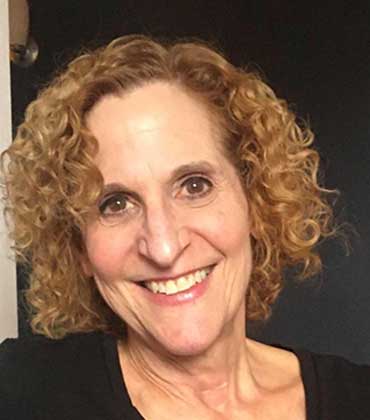

Employers in the care economy invest heavily in training workers for essential roles, but training alone is often not enough to address workforce shortages. High-demand positions in hospitals, schools, and state agencies, including nurses, teachers, and social workers, require accredited degrees and state licensure in addition to workplace experience. When these roles remain unfilled, organizations face operational strain, affecting hospital capacity, classroom staffing, and community services. Yet many employers lack a practical pathway to connect workforce training with the credentials needed for licensed practice. Craft Education focuses on closing that gap by converting employer-led training into apprenticeship degree pathways that lead directly to licensure. Through its platform and workforce solutions, the company helps employers create structured programs in which workers continue to gain on-the-job experience while progressing toward accredited credentials. “We are like a Rosetta Stone, translating between apprenticeship and higher education systems that were never designed to work together,” says Mallory Dwinal Palisch, president.

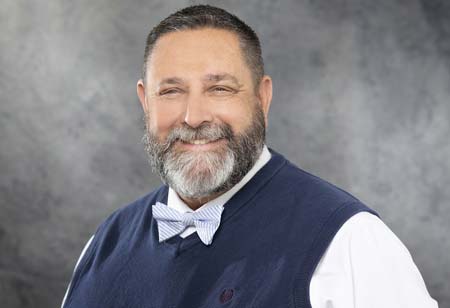
Denver N. Ritz, Organizational Development Manager, Hormel Foods
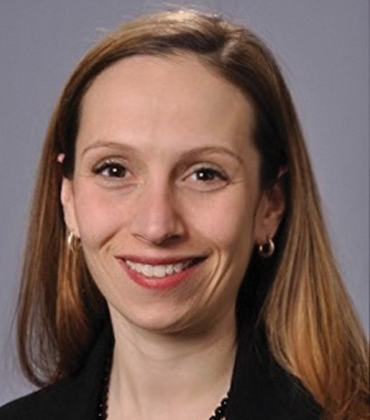
Lauren Roberts, VP HR, Global HR Operations, The Goodyear Tire & Rubber Company
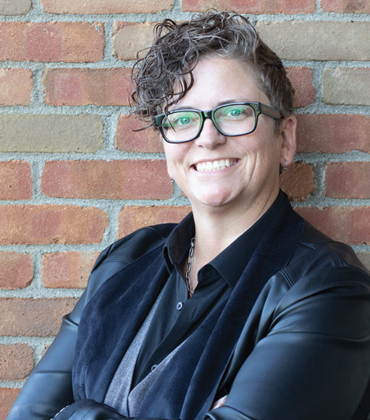
Kristi McClure, Director HR Operations and Technology, Advanced Drainage Systems, Inc

Mike Stover, Corporate Director, Talent & Culture at PCH Hotels & Resorts

Justin Kean, Senior Director of Training and Development, loanDepot [NYSE: LDI]
Workforce education data platforms centralize learning data, enable skill mapping, personalize development, and drive strategic, data-driven workforce readiness and performance improvement across organizations.
Using workforce analytics and labor costing software helps businesses see what is going on, be more productive, follow the rules and make better plans for their workforce.
Shaping the Future of People and Work
Our cover story recognizes Lacey Guercia, PHR, Chief Human Resources Officer at Kelley Kronenberg, as the CHRO of the Year 2026. Through the integration of people strategies with organizational goals, leadership responsibility and establishing an organizational culture based on trust, adaptability and continual learning, she shows how strategic HR leadership can build resilient organizations that are ready for future success.
We also recognize Craft Education as the Workforce Education Data Platform of the Year 2026 for connecting employer-led training with accredited education and licensure pathways. Its solution makes it possible for organizations to turn workforce development into a clear pathway for career advancement while filling vital talent gaps in key areas.
Also featured is Bargaining Power, recognized as the Top Labor Costing and Workforce Analytics Software 2026. With the use of workforce simulation and scenario planning over spreadsheet labor costing, the solution makes it possible for organizations to assess labor contracts more effectively.
This edition also presents valuable perspectives from Kristi McClure, Director HR Operations and Technology at Advanced Drainage Systems, Inc., who emphasizes that successful transformation begins with strong operational foundations, strategic technology adoption and continuous communication. Denver N. Ritz, Organizational Development Manager at Hormel Foods, discusses organizational resilience, data-driven decisions and people leadership for growth and innovation.
Taken together, these stories show that the future of HR will be defined by leaders who effectively align people, technology and strategy. We invite you to explore this edition and discover the organizations and executives redefining workforce excellence.